


Everything You Should Know about Multi-Span Greenhouse
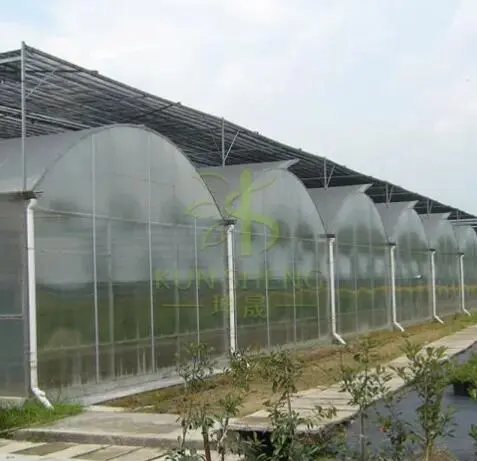
A multi-span greenhouse is a versatile and advanced structure designed for agricultural purposes, allowing controlled cultivation of crops in a protected environment. Unlike traditional greenhouses, multi-span structures feature multiple connected bays or spans, providing a larger and more adaptable growing space. Here's a comprehensive guide covering the key aspects of multi-span greenhouses.
1. Structure and Design:
Frame Materials: Multi-span greenhouses typically have frames made of durable materials like galvanized steel or aluminum. These materials provide strength and resistance against corrosion.
Covering Materials: The covering materials can include polyethylene film, polycarbonate panels, or other translucent materials. These materials facilitate light penetration while offering insulation and protection.
2. Advantages of Multi-Span Greenhouses:
Increased Growing Area: The multiple spans allow for a larger growing area compared to single-span greenhouses, making them suitable for commercial-scale farming.
Adaptability: Multi-span greenhouses offer flexibility in terms of crop selection, cultivation methods, and environmental control. They can accommodate various crops with different temperature and humidity requirements.
Efficient Use of Space: The design optimizes space utilization, providing a higher crop yield per square meter compared to traditional open-field cultivation.
3. Environmental Control:
Temperature Regulation:Commercial Multi-span greenhouses are equipped with ventilation systems, shade curtains, and heating systems to regulate internal temperatures, creating an ideal environment for plant growth.
Humidity Control: Automated systems manage humidity levels to prevent excessive moisture, minimizing the risk of diseases and promoting a healthy growing environment.
Further reading:Agricultural
What are the advantages of steel Fibres?
Study on the Effect of Flattening Modification on Bamboo ...
Steering Seal Replacement: Your Ultimate Guide
FGD flue gas desulfurization pump
4 Tips to Choose a Seal Power Steering Pump
Top 5 Chlorine Dioxide Suppliers in South Africa You Can Trust
Lighting Systems: Supplemental lighting systems can be integrated to extend daylight hours, particularly in regions with limited sunlight during certain seasons.
4. Irrigation Systems:
Drip Irrigation: Many multi-span greenhouses employ drip irrigation systems, delivering water directly to the plant roots. This method conserves water, reduces the risk of disease, and ensures efficient nutrient uptake.
Fertigation: The integration of fertigation systems allows simultaneous application of water and fertilizers, providing precise control over nutrient delivery to the plants.
5. Crop Management:
Vertical Farming: Some multi-span greenhouses incorporate vertical farming techniques, utilizing vertical space to maximize the number of crops grown. This is especially beneficial for high-value crops.
Automation and Monitoring: Advanced multi-span greenhouses may feature automated systems for tasks such as climate control, irrigation, and monitoring. These systems enhance operational efficiency and reduce labor requirements.
6. Economic Considerations:
Investment Costs: While multi-span greenhouses may involve higher initial costs compared to traditional open-field farming, the potential for increased yields and crop quality often justifies the investment.
Return on Investment: The controlled environment and extended growing seasons contribute to higher crop yields, leading to a potentially faster return on investment for greenhouse operators.
Conclusion: In summary, multi-span greenhouses for sale represent a significant advancement in modern agriculture, offering a controlled and efficient environment for crop cultivation. Their adaptability, environmental control features, and economic benefits make them a popular choice for commercial growers seeking sustainable and high-yield farming solutions. As technology continues to evolve, multi-span greenhouses are likely to play an increasingly crucial role in global food production.
11 Flue Gas Desulfurization | Air Quality and Stationary ...
Who makes colloidal silica in the US?
Unlocking the Answers: Key Questions to Ask When Ordering Hydraulic Seals
What Should You Consider When Buying Stainless Water Tankers?
Key Benefits of Tube Settlers for Water Treatment
What Are the Key Considerations for Purchasing Power Transformers?
- Previous: How to Turn a Shipping Container Into a Greenhouse
- Next: None


