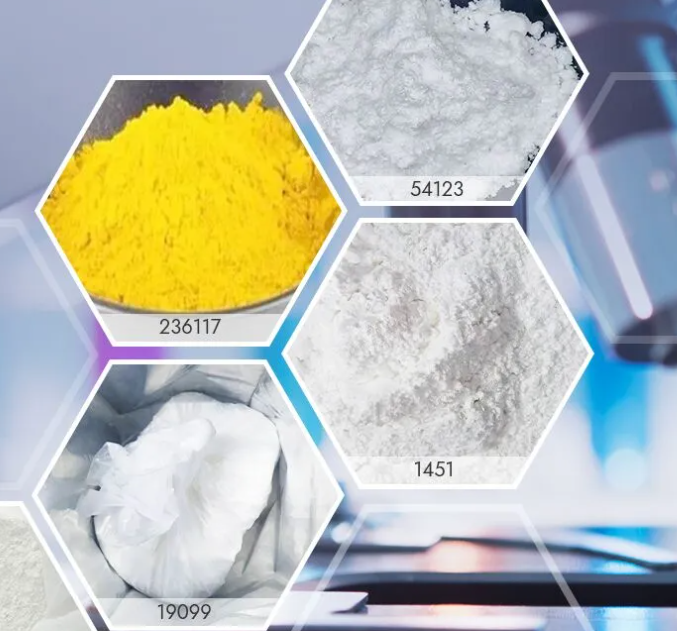
S-P-13217 - Hydroxypropyl starch ether (HPS)
S-P-13217 - Hydroxypropyl starch ether (HPS)
Hydroxypropyl starch ether (HPS) is widely used in paper, textile, petroleum, and building materials industry. It provides very good rapid thickening capacity and has high water retention. It could improve the anti-sagging ability of the whole material, so that the material does not flow downward (slip) when smearing or pasting other materials, and has a good opening time. It has good lubricity, which can improve the operating performance of the material and make the operation smoother.
Please visit our website for more information on this topic.
What is Hydroxypropyl Starch Ether?
What is Hydroxypropyl Starch Ether?
Hydroxypropyl starch ether (HPS) is a modified starch that has become increasingly popular in various industries as a thickening, stabilizing, and emulsifying agent. It is a water-soluble carbohydrate derivative that is derived from natural corn, potato, or tapioca starch through a chemical modification process that involves the introduction of hydroxypropyl groups to the starch molecules.
The use of HPS has become popular in the food industry as it improves the texture, mouthfeel, and shelf life of many food products. It is commonly used in soups, sauces, gravies, puddings, and other products that require thickening or stabilizing. HPS is also used in the pharmaceutical industry to improve drug delivery, as well as in cosmetics and personal care products such as shampoos, lotions, and creams.
In this article, we will explore the properties, manufacturing process, applications, and safety considerations of HPS.
Properties of Hydroxypropyl Starch Ether
Hydroxypropyl starch ether is a white, odorless, and tasteless powder that is highly soluble in water and other polar solvents. It has a molecular weight ranging from 1,000 to 2,000,000 Daltons, depending on the degree of substitution of hydroxypropyl groups. The degree of substitution (DS) refers to the average number of hydroxypropyl groups per anhydroglucose unit (AGU) in the starch molecule. A higher DS results in a more hydrophilic and water-soluble HPS molecule.
HPS is available in different grades, depending on its viscosity, particle size, and other properties. The viscosity of HPS is usually expressed in terms of its Brookfield viscosity, which is measured in centipoise (cP) at a specific shear rate and temperature. Higher-viscosity HPS grades are used for thicker products, while lower-viscosity grades are used for thinner products.
The particle size of HPS is also an important property, as it affects its dispersibility and flowability. HPS is available in different particle sizes, ranging from fine powders to granules, depending on the application.
Manufacturing Process of Hydroxypropyl Starch Ether
The production of HPS involves the modification of natural starch using a reaction between the starch and propylene oxide (PO), which introduces hydroxypropyl groups to the starch molecules. The process is usually carried out in an aqueous alkaline solution, with the addition of a catalyst such as sodium hydroxide or potassium hydroxide.
The modification process is influenced by several factors, such as the reaction time, temperature, pH, PO/starch ratio, and catalyst concentration. These factors affect the degree of substitution, molecular weight, and other properties of the resulting HPS product.
The modified starch is then washed, neutralized, and dried to obtain a white powder or granules. The HPS product is then tested for various properties such as viscosity, particle size, moisture content, and purity.
Applications of Hydroxypropyl Starch Ether
Additional reading:Does anti corrosion pipe wrapping tape really work?
Engine Oils and Their Filters - Machinery Lubrication
Are Amphoteric Surfactants Safe for Sensitive Skin Applications?
Addressing Common Concerns When Purchasing Calcium Formate Powder for Concrete
Eco-Friendly Concrete Production Using Calcium Formate Powder: A Sustainable Solution
What is Aerogel Coating and Why Do We Use Them?
Top Amphoteric Surfactant Exporter: Your Ultimate Guide
You will get efficient and thoughtful service from Ding’ao.
The use of HPS in construction is beneficial in various ways, such as improving the strength and durability of concrete, reducing water content, and enhancing the adhesion and cohesion of mortars. Some of the common applications of HPS in construction are:
Concrete:
HPS is used in concrete as a water reducer, which reduces the amount of water needed for a given mix design. This results in a higher strength and durability of concrete, as excess water can weaken the concrete and cause shrinkage cracks. HPS also improves the workability and flowability of concrete, which is beneficial in large-scale projects.
Mortar:
HPS is used in mortar as a plasticizer, which improves the workability and consistency of the mortar. This results in a better bond between the mortar and the masonry units, which is important for the structural integrity of the building. HPS also reduces water content in the mortar, which improves its strength and durability.
Gypsum products:
HPS is used in gypsum products such as plaster and joint compound as a thickener and stabilizer. This results in a smoother and more consistent application of the gypsum products, as well as improved adhesion and cohesion. HPS also improves the setting time and strength of the gypsum products, which is beneficial in construction applications.
In addition to the above applications, HPS can also be used in other building materials such as coatings, adhesives, and sealants. The use of HPS in construction can improve the quality, efficiency, and sustainability of construction projects, as well as reduce costs and waste.
Post time: Mar-02-2024
Are you interested in learning more about hydroxypropyl starch ether? Contact us today to secure an expert consultation!
HPMC for Gypsum Plaster | WOTAIchem Quality Cellulose
Addressing Common Concerns When Buying Castor Oil Ethoxylates for Textiles
Potassium formate | 60243
The Benefits of Using Organic Ingredients in Skincare Products
Unlock Efficiency: Overcoming Pain Points with Low Foaming Nonionic Surfactants
Wholesale Sweetener Sorbitol Crystal 20/60 for Bulk Buyers
Exploring Natrium Stearate: Uses and Benefits in Belarus